

Danger to teeth when a child breathes through their mouth
January 28, 2025Danger to teeth when a child breathes through their mouth
January 28, 2025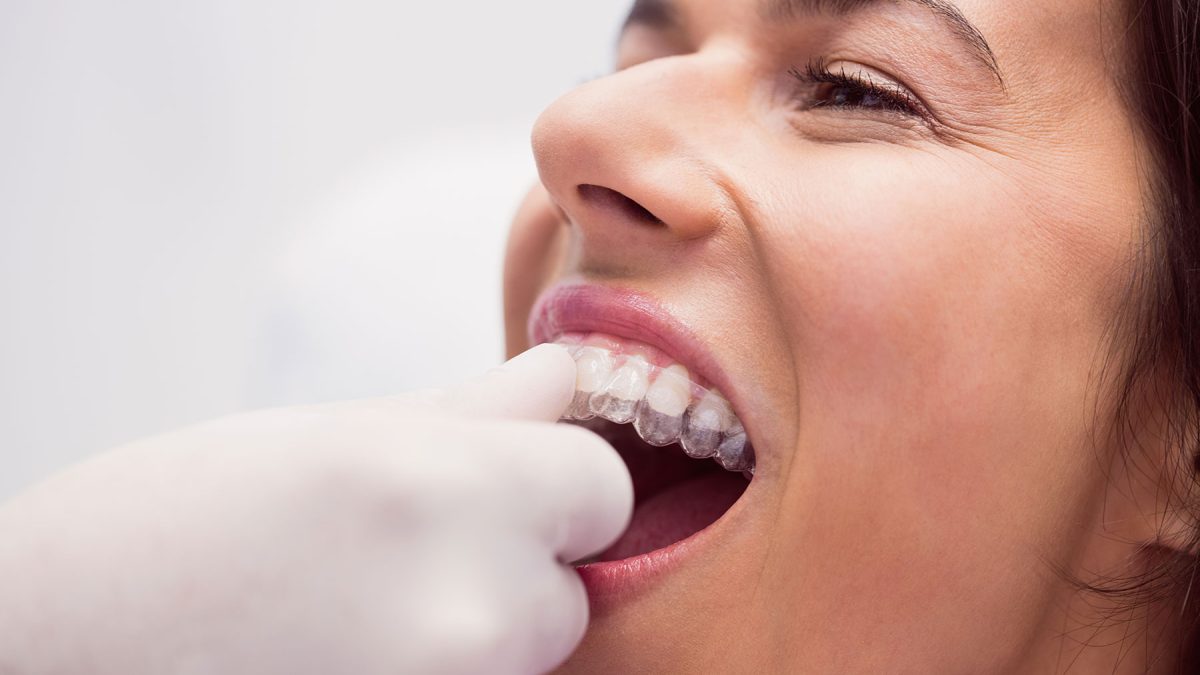
With the holiday season fast approaching, both young and old are eagerly awaiting the moments of relaxation they will spend with family and friends.
However, if you wear “invisible braces” (or more accurately, clear removable aligners) to correct bad bites and dental crowding, you may be wondering if there are any dietary restrictions for you.
“One of the greatest advantages of clear removable aligners is that they straighten teeth without imposing dietary restrictions,” says Dr. Katerina Douma-Michelaki, DDS, PhD, specialist in Orthodontics for Children & Adults, Diplomate of the American Board of Orthodontists, General Secretary of the Greek Association of Orthodontic Aligners (GAAO). “This is because users can remove them to eat without worrying about damage from, for example, hard or sticky foods, as is the case with traditional braces. They just need to brush their teeth well after eating and then reinsert the aligners.”
However, this does not mean that your diet can be unchecked, nor that you can spend hours at the holiday meals. There are certain dietary habits that may discolor your “invisible braces,” and to effectively straighten your teeth, you need to wear them daily for many hours.
As Dr. Douma-Michelaki explains, clear, removable aligners are not designed to be worn while eating. This is because they move the teeth with very gentle pressure in a specific direction and with a specific force. Therefore, if they are used while chewing, these forces change, potentially with negative consequences for the treatment’s progress. To achieve the ideal results in the ideal time, aligners should be worn about 22 hours per day.
“Although one or two extended ‘exceptions’ during the holidays won’t cause a problem, if you are constantly out at parties eating and drinking, you are likely to change the course and timing of your orthodontic treatment,” says the specialist. “The same applies if you need to have several meals a day, dedicating a lot of time to them. It’s important to adjust their duration so you don’t fall below 22 hours of aligner wear each day.”
It is also very important what you drink while wearing the “invisible braces.” “Patients should avoid consuming drinks with dyes when wearing clear removable aligners, as they can easily stain them or create spots on them,” continues Dr. Douma-Michelaki. “Such drinks include, for example, coffee, black tea, red wine, and generally drinks and beverages with strong colors (even dark beer and cola-type sodas).”
Patients should also avoid very hot drinks because the heat can bend the aligners. “Clear, removable aligners are a series of ‘membranes’ made of a special, flexible plastic that is molded to fit the patient’s teeth. However, they are sensitive to high temperatures,” says the specialist. “In contrast, they are not negatively affected by low temperatures, so you can drink cold water while wearing them.”
Carbonated beverages should also be avoided when wearing your aligners. The acids in carbonation can damage the enamel of your teeth, leading to decay and cavities. If the drinks also contain sugar, the risk increases even further because the sugar interacts with the microbial plaque on the teeth and produces even more acids, which wear down the enamel. It is important to note that enamel loss is irreversible, so patients must be very careful.
The best beverage while wearing “invisible braces” is water, which has a neutral pH (i.e., 7) and thus does not promote tooth decay. As for other beverages and drinks, be sure to consume them with your main meals, when you have already removed your aligners. After each meal, however, you should brush your teeth well before reinserting the aligners. If this is not immediately possible, a glass of water is essential to remove the cavity-causing action of these drinks.
Special attention must also be paid when consuming sugary foods. During the holidays, it is common to snack on sweets like melomakarona, kourabiedes, diples, and biscuits, while even in winter, many enjoy eating ice cream. “If someone does not remove their aligners when eating a sweet, thinking that because it is soft, it won’t harm them, they risk the health of their teeth,” warns Dr. Douma-Michelaki. “The sugar in the sweets can get trapped between the aligners and the teeth, leading to the growth of bacteria and plaque.”
If you forget to remove your aligners before eating a sweet, make sure to take them out as soon as you remember, then clean them thoroughly and carefully brush your teeth.
If you are a guest during the holidays, don’t forget to bring the case for your removable aligners. Never store them in your pocket or bag, nor wrap them carelessly in a napkin: there is a visible risk that you will forget them and lose them as the evening goes on.
For fresh breath, the best solution is cleanliness. Chewing gum is prohibited, and any candies (even those without sugar) may contain dyes that will change the color of the aligners to some extent, which is definitely not desirable.
Finally, smoking, as expected, will yellow the aligners in a very short time, and the aesthetic result will be extremely poor.
“Let’s all remember that the new digitized treatments with clear aligners are a unique collaboration between Medicine and Technology, but also a unique collaboration with the patient, as the treatment largely depends on this,” concludes the specialist.

