
Back to school: Don’t neglect the dental check-up
February 21, 2025
The best foods for healthy teeth
March 27, 2025Back to school: Don’t neglect the dental check-up
February 21, 2025The best foods for healthy teeth
March 27, 2025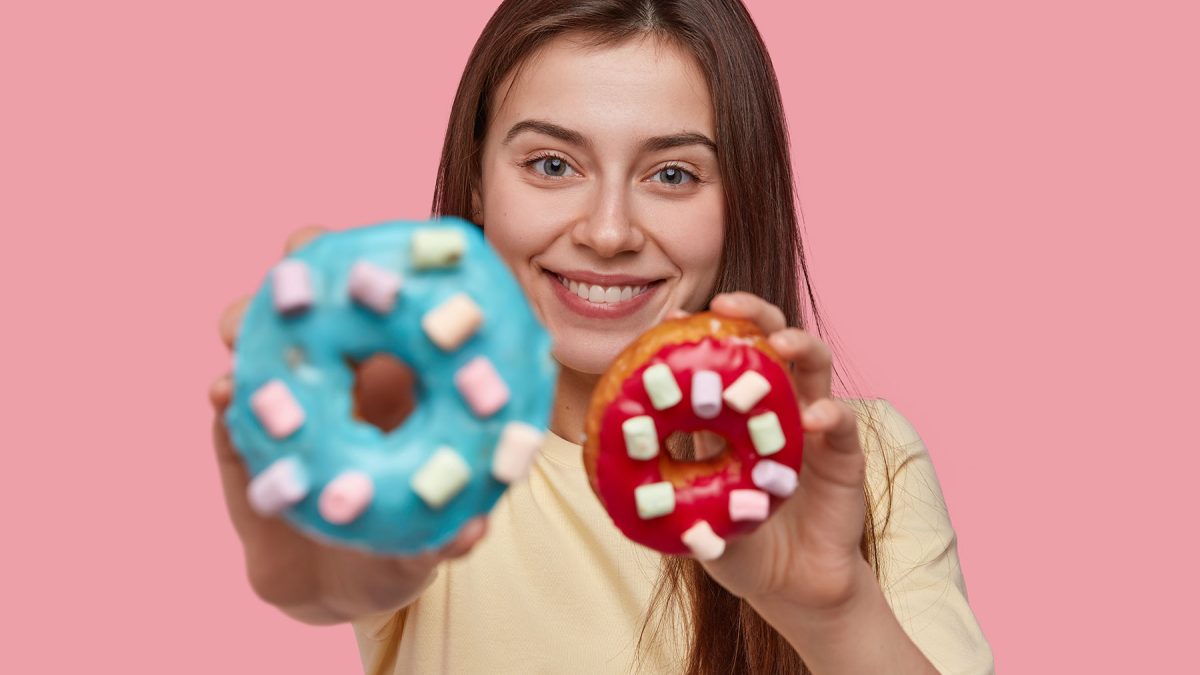
Prevention is the best medicine for our smile! Daily proper brushing, flossing, and regular preventive dental check-ups are the secret to a mouth free from pain.
Dental cleaning, in-office whitening, and orthodontic treatment that places teeth in the correct positions for easy cleaning help in treating any problems.
Another major factor that significantly affects our dental health is diet.
Dr. Katerina Douma-Michelaki, DDS, PhD, specialist in Pediatric & Adult Orthodontics, explains which foods negatively affect our teeth.
* Citrus fruits: Citrus fruits and their juices are full of vitamin C and other nutrients that are valuable for the body. Unfortunately, however, some of them (especially grapefruit and lemon juice) are highly acidic and may gradually erode the enamel of the teeth (the outer hard “coat” of the teeth). In a 2008 study, scientists from Temple University in Philadelphia, USA, left extracted teeth in various citrus juices and found that lemon and grapefruit juices caused the most erosion, while orange juice caused the least. This is likely because orange juice is less acidic, and many commercial juices are fortified with calcium and vitamin D, which protect the teeth.
* Candies: Soft candies that stick to the teeth are the worst because they may remain stuck for hours, allowing mouth bacteria to feed undisturbed on the sugar they contain. This process generates acids that dissolve the protective enamel and cause cavities. If the soft candy is both sugary and sour (acidic), it has a triple negative effect on the teeth because it contains additional corrosive acids, in addition to those produced by the sugar-bacteria interaction. As for hard candies, while they don’t stick as much, they dissolve slowly, so the sugar stays in the mouth for a long time, giving bacteria a chance to produce harmful acids. If they are sour, that makes it worse. Additionally, those who tend to chew hard candies instead of letting them dissolve in the mouth risk breaking a tooth or more.
* Pickles: Pickles are often made in an acidic medium (usually vinegar), which gives them their characteristic sour and salty taste. However, this makes them a potential threat to the enamel of the teeth. Studies have shown that frequent consumption of pickles, especially without accompanying food, increases the risk of tooth damage by nearly 85%. The solution, therefore, is to eat them less frequently and with food.
* Soft drinks: It’s no secret that sugary soft drinks promote cavities. However, the greater threat seems to be the acids (carbonic acid) rather than the sugar itself. Thus, even diet versions, which contain citric and phosphoric acids, may erode enamel if consumed in large quantities. The same is true for carbonated waters and sodas. If you can’t live without them, try to consume them only with main meals, as food helps neutralize the acids.
* Sports drinks: While they seem like a safer alternative to soft drinks, they can still contain a lot of acids and sugar, making them just as harmful, as shown by a 2008 study from the University of Iowa.
* Wine: The general rule is that any substance that leaves a stain on a white tablecloth can also stain our teeth. Therefore, the primary culprit is red wine, which contains many chromogenic substances, which discolor teeth. The tannins in red wine exacerbate the stains because they tend to dry the mouth and make the teeth sticky. However, this doesn’t mean that white wine doesn’t contribute to tooth stains. Research has shown that the erosive acids in both white and red wines allow the pigments of other foods to penetrate deeper into the surface of the teeth, creating more prominent stains. Consequently, it’s best to drink wine only with food.
* Crackers, chips, etc. The processed carbohydrates in white crackers and other white bread products that we often munch on during the day quickly turn into sugars in the mouth, providing abundant food for bacteria. Instead of nibbling on them for hours, it’s better to eat them “in one go” and then brush your teeth well afterward.
* Coffee and tea: Have you noticed the brown stains that accumulate on the inside of the cup when you drink several cups of coffee or tea in a row? This gives you an idea of how these two beloved beverages can stain your teeth. In addition to discoloration, teeth with heavy coffee stains become sticky and thus “attract” food debris and bacteria. As for tea, some varieties of black tea create more intense stains than coffee, and the culprits are the tannins (as with red wine). Thus, types of tea with low tannin content (such as green, white, and herbal teas) are less likely to discolor teeth. Of course, adding sugar or candy to your coffee or tea increases the risk of cavities.

