
World Orthodontic Health Day
February 13, 2025
Where can jaw pain be caused from
February 15, 2025World Orthodontic Health Day
February 13, 2025Where can jaw pain be caused from
February 15, 2025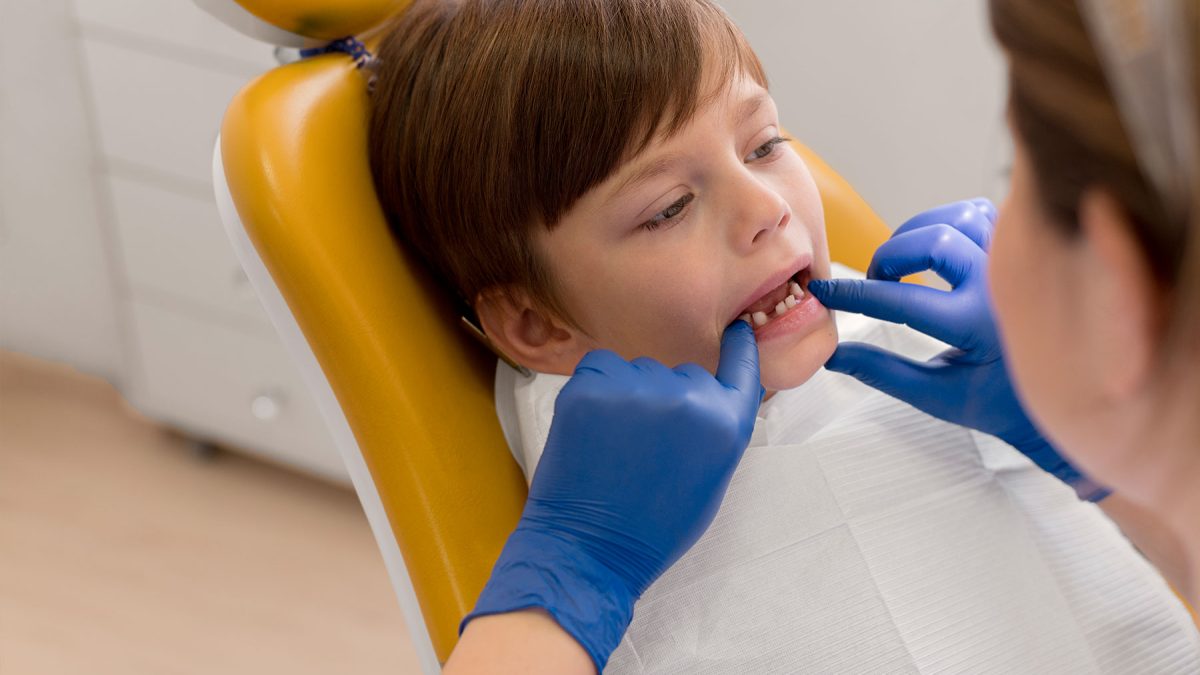
Just before the start of the new school year, it is a good idea to have a preventive visit to the orthodontist to check the child’s oral health and detect any issues with the alignment of the teeth early on.
According to the American and World Federation of Orthodontics, the first visit to the orthodontist should be at the age of 7. “This age is set because the permanent teeth of children have started to erupt, and the bones of the jaws respond much more easily to orthodontic treatments at younger ages. Thus, early initiation of orthodontic treatment will help the smooth development of the entire face and may possibly prevent future extractions of teeth,” explains Dr. Katerina Douma-Michelaki, DDS, PhD, specialist Orthodontist for Children & Adults and General Secretary of the Greek Society of Orthodontic Appliances (GSOA). “Of course, each case is unique, and it is not the chronological age that determines the treatment, but the orthodontic problem itself.”
But why is it so important to correct the misalignment of the teeth? The consequences of crooked teeth are many and varied, ranging from functional and developmental issues to problems at school or, more rarely, with studies. “Many people believe that orthodontic treatments are done for aesthetic reasons. However, the main reason for them is not cosmetic but developmental and functional,” says Mrs. Douma-Michelaki. “Without timely treatment, for example, orthodontic problems can lead to trauma or even fractures of the protruding front teeth. The correct positioning of the teeth will not be ensured, leading to an increased risk of cavities and gingivitis, and the facial bones will not develop properly, which may lead to skeletal disharmony. In the long term, there is a risk of needing tooth extractions, and chewing and speech problems may also develop due to the incorrect position of the teeth.”
However, for children themselves, more important are the potential consequences at school, especially as they approach adolescence with crooked teeth. Most studies in preschool children show that dental alignment problems do not often have negative effects on their quality of life. However, in school-age children and adolescents, the position of the teeth impacts their smile, social life, and speech.
For example, a recent study of 366 boys and girls in adolescence showed that more than eight in ten (81.1%) were concerned with the appearance of their teeth, and almost nine in ten (88.5%) had received comments (either positive or negative) from their classmates about it. Depending on whether their teeth were aligned or crooked, their mental well-being and self-esteem were affected. As a result, many of those with severe orthodontic problems reported avoiding smiling, and some even avoided participating in social activities. Although it is not the norm, in several cases (more than four in ten) of severe dental alignment issues, adolescents had below-average academic performance.
“Most orthodontic patients are children and adolescents who are directly affected by the school environment, and interpersonal relationships can, in turn, affect learning and academic development,” emphasizes Mrs. Douma-Michelaki. “Asymmetry in the position of the teeth and jawbones has a significant impact on the attractiveness of the smile and quality of life. In the school environment, such asymmetry can affect social interaction, interpersonal relationships, and mental well-being, leading to lower self-esteem or even feelings of inferiority. There have even been cases of school bullying among children and adolescents with severe orthodontic problems, although fortunately, such incidents are not frequent.”
The extent to which children and adolescents are concerned with the appearance of their teeth is also reflected in the reasons they seek orthodontic treatment. Studies have shown that the main reasons are discomfort with their dental appearance, recommendations from their dentist, and the influence of classmates who are already wearing braces.
The desire to correct the misalignment of the teeth is also influenced by factors such as intellectual level, social class, the severity of the orthodontic issue, and perceptions about facial aesthetics. Parental perceptions of the need for treatment also play a role, especially in adolescents.
A recent combined analysis of several studies on the possible consequences of the persistence of dental alignment problems concluded that it negatively impacts the perceived quality of life, especially regarding emotional and social well-being. These consequences appear early in life, even in children aged 8-10 years.
“Orthodontic treatment is associated with significant benefits in appearance, health, and psychosocial development for children and adolescents,” says Mrs. Douma-Michelaki. “It is therefore best to start early when the treatment options are more numerous, gentler, and in many cases, less noticeable.”

