
What causes poor dental occlusion
February 2, 2025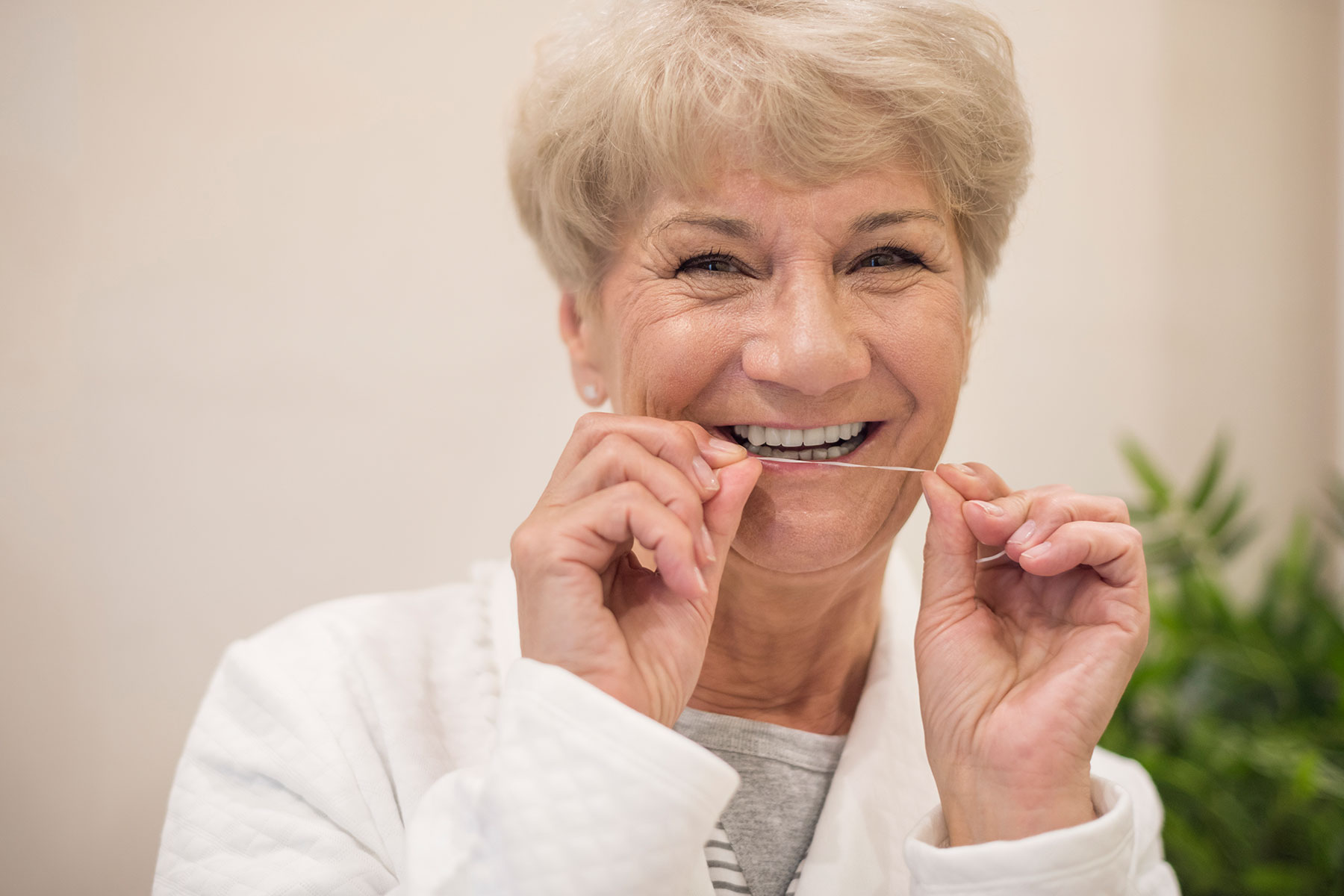
Chewing problems open the door to… dementia
February 4, 2025What causes poor dental occlusion
February 2, 2025Chewing problems open the door to… dementia
February 4, 2025
The coronavirus pandemic that causes Covid-19 has changed access to healthcare services, and orthodontic care is no exception. Scheduled cases have been postponed, while orthodontists generally see urgent cases that require immediate treatment.
However, these changes may affect dental health. That is why the American Association of Orthodontists (AAO) in new guidelines emphasizes that, particularly during this time, oral hygiene and contact with the orthodontist through modern digital technology and communication tools are crucial.
“Thorough tooth brushing, use of dental floss, and possibly additional use of a mouthwash containing hydrogen peroxide is the first and essential requirement for oral health,” says Dr. Katerina Douma-Michelaki, DDS, PhD, specialist in Pediatric & Adult Orthodontics, Diplomate of the American Board of Orthodontists, and Secretary General of the Greek Society of Orthodontic Appliances (GSOA). “Beyond that, patients should be informed so that if they encounter any urgent issues with their orthodontic appliances, they can contact their orthodontist.”
According to the guidelines, communication should first be done using digital technology, so the patient can send the orthodontist a photo or video (which should be well-lit) of the issue or speak with them via video call.
Patients with fixed appliances – “braces”
Orthodontic patients can generally be divided into two categories. The first category includes patients who have fixed appliances in their mouth, the well-known “braces.” Mild issues that patients can address on their own include irritation in the oral cavity (e.g., lips, cheeks), small sores in the soft tissues of the mouth (e.g., cheeks, lips, tongue), or even a protruding wire in fixed “braces.” For example, if a bracket breaks and the metal protrudes causing pain or irritation, the patient can push it toward the tooth using a sterile tweezer and cover it with orthodontic wax.
However, if the patient experiences pain or a high level of discomfort due to an issue with the orthodontic appliance, it is very likely that they need an evaluation at the office. The same applies if they have an infection, injury, or any problem that could harm them, according to the AAO.
It is also very important to take measures to prevent accidents that may cause damage to orthodontic appliances. “The most common mishaps with orthodontic appliances are breakage, loosening, or detachment,” says the specialist. “To avoid such problems, patients should first avoid consuming hard foods and products with a sticky texture.”
Not suitable for those with orthodontic appliances are, among others, ice cubes, whole nuts (e.g., walnuts, almonds, pistachios), whole hard fruits and vegetables (e.g., carrots, apples, unripe pears), the crust and hard crust of bakery bread, ribs, hard crackers and biscuits, candies, chewing gum, Turkish delight, lollipops, and sweets, etc.
It is also very important, whenever possible, to avoid carbonated soft drinks, sugary beverages, and alcoholic drinks between meals and just before sleep.
Patients with removable appliances – Clear Aligners
New digitized treatments with clear aligners have the distinct advantage of almost zero risk of injury. However, since treatment should always be done under the guidance of the orthodontist, the patient should inform the office if during the Covid-19 pandemic they are without upcoming aligners, rubber bands, or if the small resins placed on the teeth have fallen off.
With simple but specific ways of taking photos or videos, the office will contact the patient and send them what they need at home, significantly reducing the risk of spreading the coronavirus infection during this period.
If an aligner breaks, the patient can, after consulting with the orthodontist, use the previous or next aligner.
Duration of orthodontic treatment
What patients should also know is that there is no cause for concern about a significant impact on the treatment time due to the suspension of scheduled visits to the orthodontist, emphasizes Ms. Douma-Michelaki.
“If the instructions are followed correctly, in most cases, the impact of postponing orthodontic visits to the office is minimal. By following the Greek and international guidelines, we minimize movement, contributing significantly to controlling the pandemic,” she emphasizes.
Care of teeth and mini first aid kit
At the start of every orthodontic treatment, the patient is provided with orthodontic wax to cover any protrusions and with instructions for proper toothbrush use. Dental floss and interdental brushes are also essential for proper oral hygiene, which is always extremely important.
Now, with the pandemic, “it is advisable for orthodontic patients to have these products along with some other items in a mini first aid kit,” says Dr. Douma-Michelaki. “This should include orthodontic wax and pain relievers (for irritation and discomfort), dental floss or interdental brushes (for good dental health), and a sterile scissors and cotton swabs (in case a protruding wire needs to be pushed into place). A nail

